In October 1977, Meco’s disco model of the Star Wars theme soared to primary on the Billboard Sizzling 100, promoting over two million copies worldwide. This marked the rise of Area Disco, a development that will stay influential for almost a decade. At its peak, Area Disco transcended Meco’s novelty results, evolving right into a glossy, pulsating sound harking back to Giorgio Moroder’s synth-heavy observe “Chase” (1978). Whereas usually seen as cliché, Area Disco proved to be dynamic and multifaceted, exploring themes of utopia and dystopia, sexuality and empowerment, all whereas providing each escapism and contemplation. But, the roots of Area Disco lengthen a lot additional again than Star Wars, tracing a long time of musical evolution.
Rising as a pure development of the Area Age and its sci-fi ethos, the popular culture phenomenon of Area Disco displays developments in music expertise. The Area Age began with the launch of Sputnik in 1957, igniting a fascination with futurism and uncharted territories.
Soundtracks for sci-fi classics like The Day the Earth Stood Nonetheless (1951) and the primary all-electronic rating in Forbidden Planet (1956) laid the groundwork for the outer-space soundscape. These early compositions launched ethereal tones, pulsating rhythms, and summary melodies, using quickly advancing applied sciences such because the Moog synthesizer.
Throughout the mid-Nineteen Fifties to the mid-Sixties, the style later dubbed Area Age Pop grew to become a soundtrack for the Area Age, coinciding with the rise of stereophonic sound and high-fidelity residence audio. Notable works embody Sid Bass’ From One other World (1956) and Les Baxter’s Area Escapade (1958), showcasing new studio methods. Latin innovator Esquivel additionally performed a pivotal function, together with his iconic album Different Worlds Different Sounds (1958), which, regardless of its lunar theme, was devoid of a coherent area narrative in its tracks.
Deliah Derbyshire, a British digital music pioneer, composed the legendary Dr Who theme in 1963 on the BBC Radiophonic Workshop, simply connecting futuristic sound with imaginative visions of area journey. Early digital music usually centered extra on dissonance than melody, presenting a uniquely avant-garde problem to listeners.
The 1966 album The In Sound From Approach Out! by innovators Jean-Jacques Perrey and Gershon Kingsley aimed to create upbeat, playful tracks with a definite area motif. The Moog synthesizer, launched on the Monterey Pop Competition in 1967, was essential for bringing digital music to mainstream audiences.
The aesthetic of outer area additionally permeated progressive rock, Krautrock, and Area Rock within the late twentieth century. Artists equivalent to Pink Floyd and Tangerine Dream broke from conventional tune constructions, increasing to longer varieties that echoed each interior and outer area experiences.
Jazz and funk artists additionally tapped into cosmic themes. Alabama’s Solar Ra, who established the ethos of Afrofuturism within the Nineteen Fifties, produced works like Area Is the Place (1973), mixing free-jazz with area themes. Mark Dery highlighted the broader narratives that African-American artists delivered to expertise and tradition, connecting them with rising motifs in music.
Disco’s roots hint again to the early Seventies in underground golf equipment in cities like Philadelphia and New York, flourishing amongst various communities. Whereas a number of icons like Gloria Gaynor outlined disco, Giorgio Moroder, with hits like “I Really feel Love” (1977), revolutionized the combination of synthesizers into dance music.
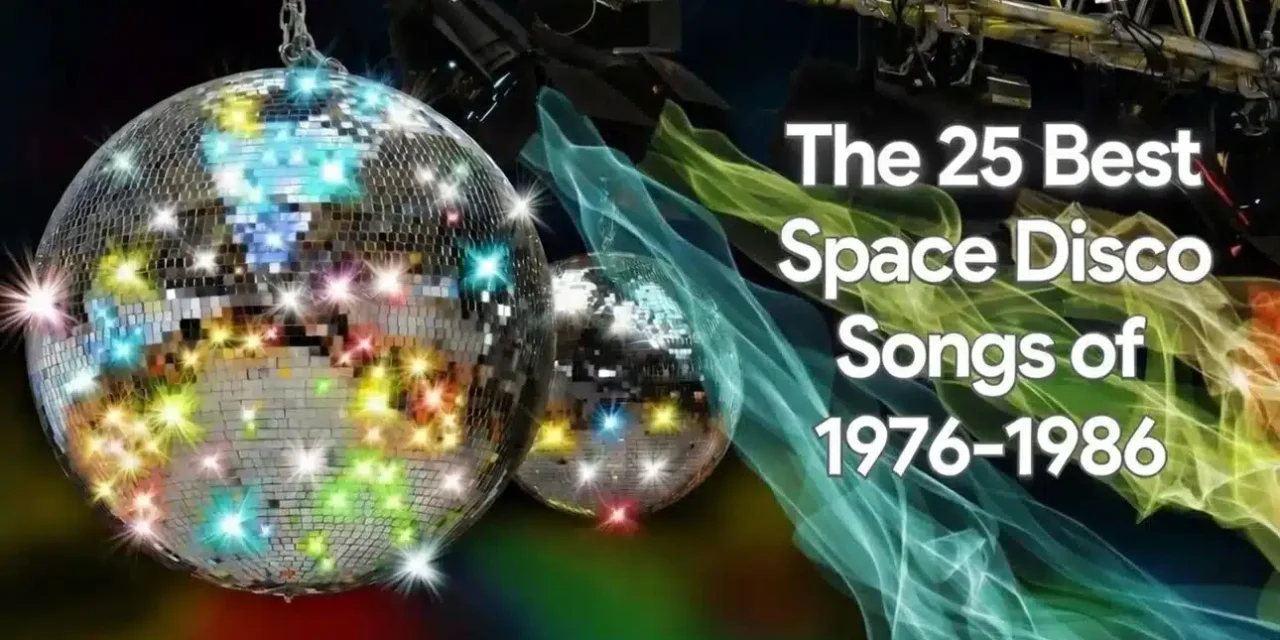
The Area Disco period (1976-1986) coincided fluidly with the Star Wars phenomenon, because the franchise produced its first three movies: Star Wars (1977), The Empire Strikes Again (1980), and Return of the Jedi (1983). Iconic video video games equivalent to Area Invaders (1978) and Asteroids (1979) additional ingested area sounds for fashionable consumption.
Disco, regardless of its mainstream success, originated in marginalized communities, encapsulating themes of otherness and inclusivity. Daryl Easlea famous that “aliens” permeated fashionable tradition, a metaphor for the varied artists defining disco’s sound—starting from the Village Individuals to Grace Jones.
Under is a set of 25 influential contributors to Area Disco, categorized into distinct views.
Avant-Garde Deep Spacers contains artists who created summary tracks that enable listeners to journey by means of lush cosmic soundscapes. Spawn of Star Wars options tracks that embrace direct references from the movies. Choices from Intergalactic Kitsch spotlight the satirical components inside Area Disco. The Cosmic Chanteuses class gathers vocal performances from feminine artists who formed the style’s narrative. Lastly, The Mothership Electro represents the intersection of disco and hip-hop, drawing from Afrofuturist themes.
This musical journey contains singular tracks, total albums, or conceptual works from contributors worldwide, encompassing a wealthy tapestry of sounds that transcend borders.
AVANT-GARDE DEEP SPACERS
Asha Puthli – “Area Speak” (1976)
The four-octave, free-form vocal type of Asha Puthli, a world music pioneer from Bombay, first appeared on Ornette Coleman’s Science Fiction (1972). Her solo work intermingled Jap and Western components, culminating in “Area Speak” from The Satan Is Free (1976). The observe incorporates a catchy bassline, dreamy synths, and ethereal lyrics that echo themes of area exploration.
Manzel – “Area Funk” (1977)
Manzel’s “Area Funk” exemplifies the quick but impactful instrumental tracks of the period, echoing by means of the a long time as hip-hop artists sampled its infectious grooves. Lead keyboardist Manzel Bush created a vibrant tapestry of sound, characterised by dynamic bass and rhythmic aptitude.
Area – Magic Fly (1977)
The avant-garde French group Area took their artistry critically, with albums like Magic Fly attaining international acclaim. Their signature type blends ambient funk with grand melodies, showcasing the soulful vocals of feminine collaborators.
Bernard Fevre – “Area Group” (1977)
Fevre, famous for his groundbreaking works as Black Satan, pushed inventive boundaries with digital soundscapes that felt each experimental and accessible. His albums delivered summary but participating listening experiences.
Harald Grosskopf – “Transcendental Overdrive” (1980)
A real craftsman of digital music, Grosskopf’s debut Synthesist encapsulates a variety of textures, balancing droning atmospheres with rhythmic vitality. This rising sound garnered a cult following, solidifying his affect on future generations.
Additional Listening: Automat (Italy), Moon Birds (France), Area Artwork (France), Yellow Magic Orchestra (Japan), Zodiac (Latvia).
SPAWN OF STAR WARS
Meco – “Star Wars” (1977)
Meco’s disco tackle the Star Wars theme has develop into synonymous with Area Disco, main because the best-selling instrumental single. The movie profoundly influenced Meco Monardo, propelling him into the highlight with soundscapes that echoed iconic area adventures.
Droids – “(Do You Have) The Drive?” (1978)
Droids founder Yves Hayat was equally impressed by Star Wars, creating “(Do You Have) The Drive?”—an all-instrumental tribute wealthy in space-themed sounds and buoyed by an infectious dance beat.
Sizzling Gossip -“I Misplaced My Coronary heart to a Starship Trooper” (1978)
Earlier than her rise in musicals, soprano Sarah Brightman led Sizzling Gossip, delivering a space-inspired hit that mixes humorous references with a catchy colonization theme.
MB4 – “Ewok Celebration and Star Wars” (1983)
The merchandising craze surrounding Return of the Jedi birthed MB4’s “Ewok Celebration,” merging playful components with disco grooves and a nostalgic tie to the Star Wars legacy.
Additional Listening: Bang Bang Robotic (France), The Electrical Moog Orchestra (Brazil), Galaxy 42 (US), Patrick Gleeson (US), Boris Midney (Russia).
INTERGALACTIC KITSCH
Rockets – “Cosmic Race” (1978)
Rockets introduced themselves in outlandish outfits whereas performing catchy tunes that embraced the kitschy aspect of Area Disco. Their deal with theatricality resonated with the viewers all through their profession.
Ganymed – “It Takes Me Greater” (1978)
Austrian group Ganymed introduced a strong dance vibe, mixing energetic instrumentals with lyrics that balanced masculine and female themes as they carved a distinct segment within the disco scene.
Disco Dream and the Androids – “Dream Machine” (1979)
Crafted by Andrew Wagner, this one-off undertaking mixed campy creativity with digital innovation, drawing listeners into its whimsical narrative laden with sci-fi tropes.
Laurice – “The Disco Spaceship” (1977)
Welsh-born Laurice introduced an endearing allure to her Area Disco observe, celebrating unity by means of dance and love whereas producing a catchy vocal efficiency.
SPACE IN THE MARGINS
Patrick Cowley – “Megatron Man” (1982)
Pioneering the mix of disco and outer area aesthetics, Cowley’s works had been emblematic of the homosexual membership scene, interweaving digital creativity with a celebratory spirit.
COSMIC CHANTEUSES
Dee D. Jackson – “Computerized Lover” (1978)
Jackson’s chart-topping single from the album Cosmic Curves captivated international audiences, juxtaposing robotic and passionate vocals in a playful exploration of want.
Sheila and Black Devotion – “Spacer” (1980)
Sheila reinvigorated her profession by embracing disco, producing “Spacer,” a collab with Nile Rodgers and Bernard Edwards that went on to promote thousands and thousands worldwide.
Ednah Holt – “Severe, Sirius, Area Get together” (1981)
Holt’s infectious observe encapsulated a celebration environment, envisioning communities of colour reveling aboard a starship with sci-fi icons.
The RAH Band – “The Crunch” (1878)
Wealthy in disco components, RAH Band blended conventional sounds with area motifs, producing tracks that will resonate lengthy after their time.
The Android Sisters – “Digital Sheep” (1984)
Impressed by Philip Ok. Dick, the Android Sisters crafted a soundscape of quirkiness that merged digital and sci-fi themes reflecting modern fears and wishes.
Pluton & Humanoids – “World Invaders” (1981)
The duo’s observe encapsulated the evolution of disco into electro sounds, incorporating the modern components of the Roland TR-808.
Midnight Star – “Freak-A-Zoid” (1983)
In “Freak-a-Zoid,” Midnight Star embraced a completely realized area theme that showcased the probabilities of rising electro sounds.
Warp 9 – “Nunk” (1982)
Lotti Golden’s ventures in electro alongside the hip-hop trio Warp 9 helped outline a wave of sound that merged disco with rising new wave components.
Newcleus – “Area Is the Place” (1983)
In 1983, Newcleus took the electro scene by storm with tracks that paired playful themes with futuristic motifs, fostering a brand new sound that resonated broadly.
Herbie Hancock – “Rockit” (1984)
Hancock’s Future Shock showcased a groundbreaking fusion of jazz and electro, culminating within the iconic “Rockit,” which left an indelible mark on music historical past.
Additional Listening: Casco (Italy), Cybotron (Detroit), Jonzun Crew (Boston), Laserdance (Netherlands), Planet Patrol (Boston), Q (Philadelphia).
As we glance again, the fascination with outer area has developed, overshadowed now by the web’s countless frontier. Although the Star Wars legacy has reinvigorated its cultural relevance in latest a long time, and Area Disco enjoys sporadic revivals by means of trendy artists like Daft Punk and Janelle Monáe, no period has persevered like the unique Area Age Pop or Area Disco.
Observe: This characteristic was initially printed on 2 October 2016.