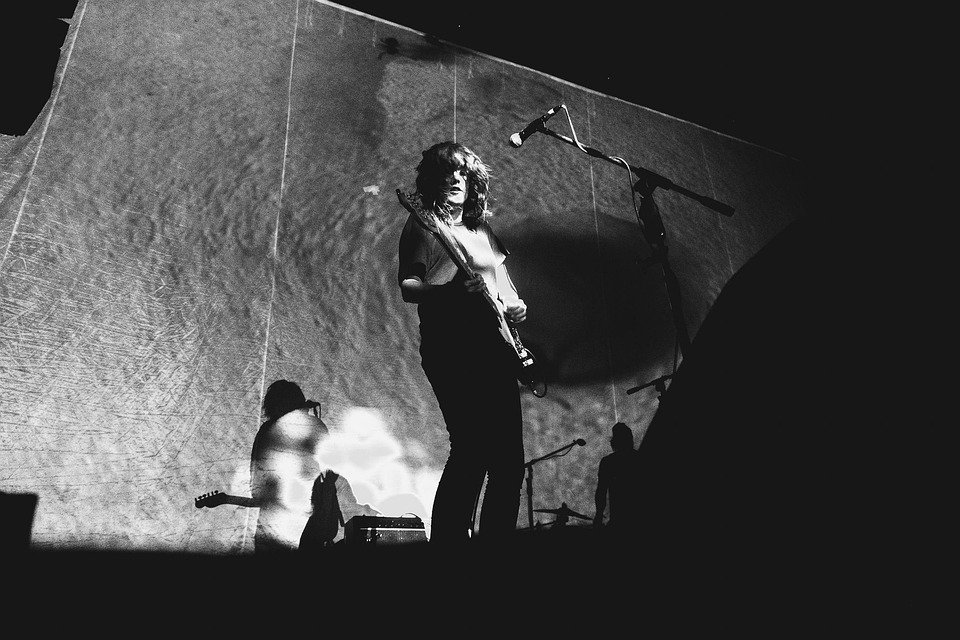
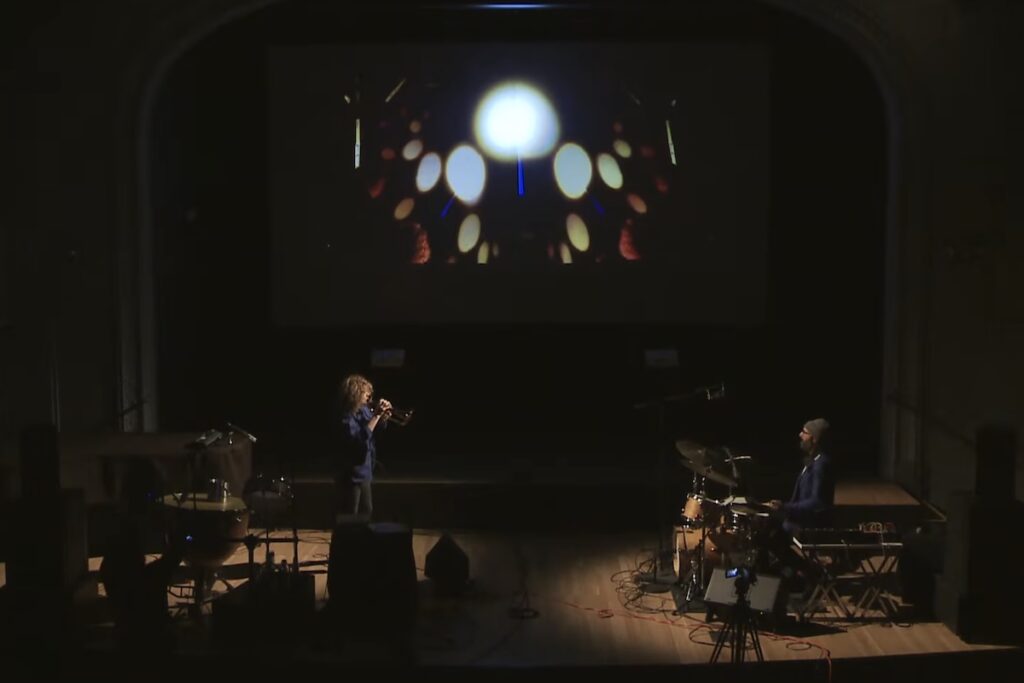
On February 26, an eclectic crowd of all ages crammed Brooklyn’s Roulette Intermedium, buzzing with anticipation for the east coast premiere of Miss America, the newest creation from the creative duo Discuss Present. This collaboration merges the abilities of drummer and modular synthesist Qasim Naqvi and trumpeter Steph Richards, whose partnership traces again nearly twenty years to their shared pursuits in experimental theater. Accompanied by shadow puppeteer and dwell visible artist Steven Wendt, this rendition of Miss America sought to discover the absurdity and darkish humor of late Twentieth-century daytime tv by way of a mixture of sound, theatrical staging, and charming projections.
The daytime programming of the 80s and 90s produced a plethora of leisure and discussions that proceed to form the American tradition. These many years marked the emergence of direct viewers participation, the routine ritualization of cleaning soap operas, sensationalist and exploitative actuality tv segments, and the arrival of gossip-laden tabloids.
Upon getting into the house, attendees had been greeted with a backdrop of silent archival TV clips. Hypnotic, swirling prisms of sunshine sometimes overlapped the clips, creating an ethereal juxtaposition. I acknowledged segments from the notorious Maury (1991-2022), notably its controversial paternity exams and the favored “Man or Girl?” section, the place dwell audiences eagerly guessed the gender id of contributors.
As a baby, I bear in mind seeing transgender people represented in media for the primary time by way of these sensational applications. Whereas problematic, this type of ‘trash TV’ has spurred deeper discussions and educational exploration of great social and cultural points. The potential for Miss America to faucet into this wealth of fabric was huge.
Nevertheless, it was shocking to see that the efficiency lacked important components that might have fashioned a extra full portrayal of daytime tv, apart from the usage of videography in entrance of a dwell viewers. The efficiency started abruptly, with Richards speeding on stage carefully adopted by Wendt’s digital camera. The applause was transient and hesitant, as the start was too quiet for the viewers to discern whether or not the present had began.
There was a discernible correlation between Richards’ projected video and the frantic chase scenes of embarrassed actuality TV characters fleeing stage moments. As Richards’s horn emitted an erratic buzz, Naqvi added to the ambiance along with his mouth-induced snare rhythms. The general sonic panorama felt surprisingly barren, notably given the bold idea and presentation.
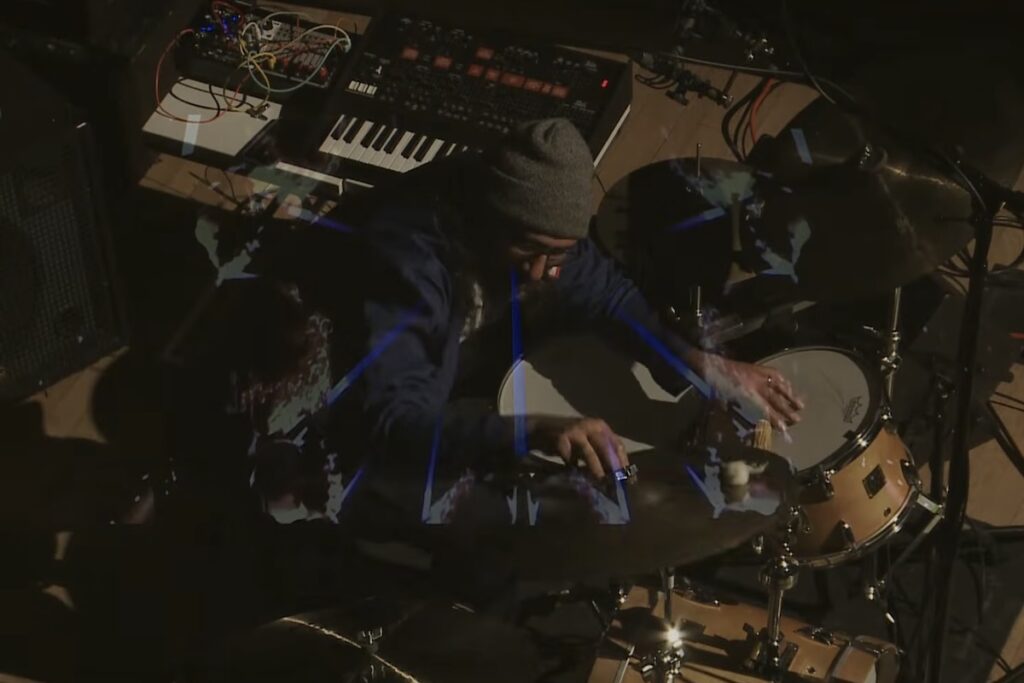
Unexpectedly, the archival video collage shut off—seemingly an error—leaving simply projections of the performers. Wendt’s contributions stood out; utilizing dwell video suggestions from two Sony camcorders, he produced breathtaking psychedelic visuals. He constantly shifted his vantage level, capturing completely different angles and utilizing gentle creatively. But, the gorgeous visuals typically felt disconnected from addressing the cruel realities of actuality tv.
Richards started to vocalize erratically between her trumpet notes, whereas Naqvi’s drumming constructed towards a loud cymbal crescendo. Wendt deftly manipulated the cameras in sync with the music, shifting between pictures because the instrumentalists transitioned into an unsettling soundscape. Naqvi crafted ambiguous, groaning synthesizer chords whereas Richards experimented together with her trumpet, dipping its bell into water and onto a timpano floor, using a pedal to bend her pitches.
The theater darkened additional, and Wendt reintroduced the archival footage, now displaying close-ups of viewers faces. This fusion of sound, lighting, and imagery fashioned one of the vital impactful moments of the night, evoking discomfort about spectatorship and the convoluted theatrics of actuality TV and its often-misunderstood contributors.
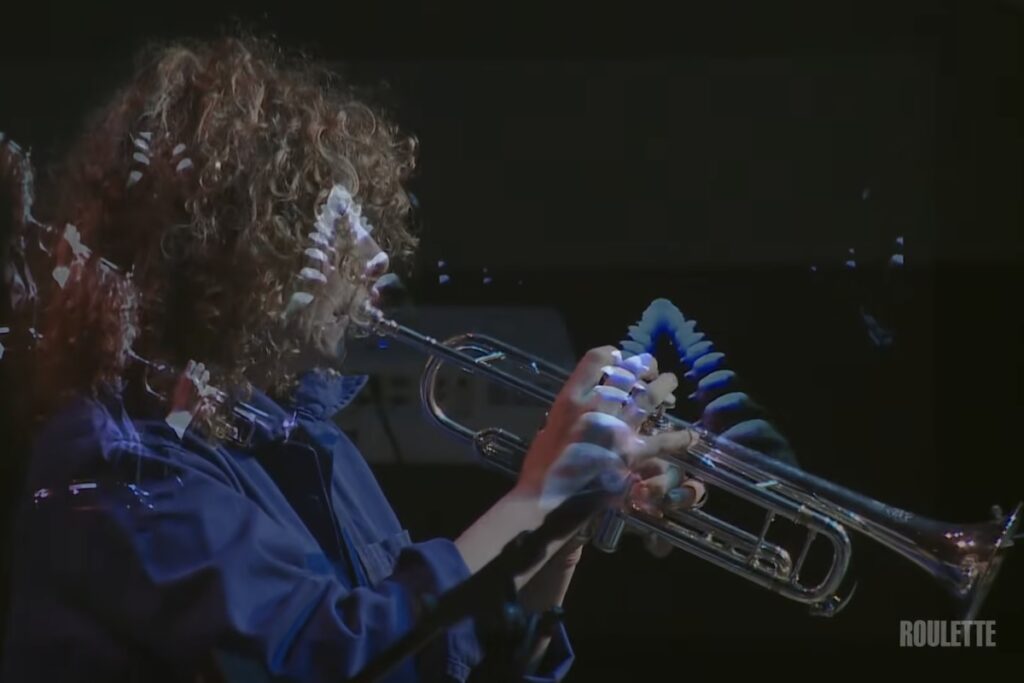
There was a second when Richards and Naqvi confronted one another as they initiated an improvised part. I discovered myself pondering whether or not their efficiency would mirror an interview or recreation format, or if viewers members would grow to be a part of the expertise. Small moments of interplay occurred; as an example, Naqvi drew laughter by eradicating his beanie and playfully rubbing his bald head in entrance of a mirrored digital camera, whereas Richards turned sharply to deal with the lens immediately. Sadly, the efficiency notes conveyed a lot of the central concepts, because the duo and Wendt, regardless of their progressive endeavors, convoluted connections to their supply materials by way of a veil of abstraction.
I CARE IF YOU LISTEN is an editorially-independent initiative of the American Composers Discussion board, made potential by beneficiant donor and institutional help. Help ICIYL with a tax-deductible present to ACF. For extra details about ACF, go to composersforum.org.